In the past 24 hours, I’ve had no fewer than half a dozen friends and business colleagues forward me articles about Commonwealth Bank’s latest move to reverse some of their AI-driven redundancies in the call centre and customer service areas.
They know I’m a big advocate of AI in business, so naturally they were curious about my take.
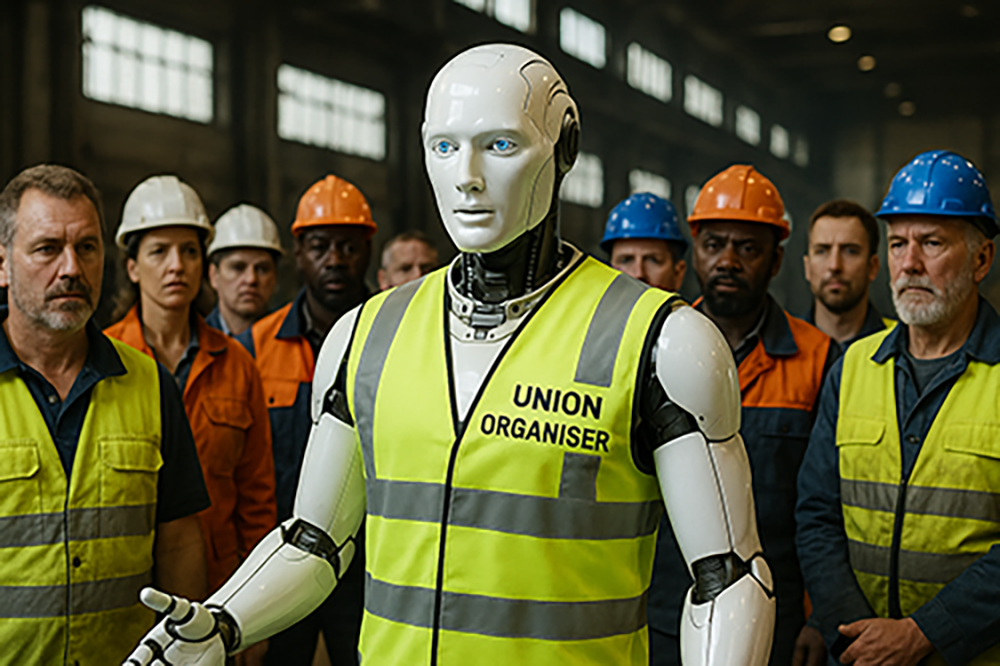
At first glance, the headlines frame this as “AI not living up to the hype” or a tech failure. But when you dig into the details, that narrative doesn’t hold up. Instead, the real driver appears to be something older, more entrenched, and less technological: union power.
What Actually Happened
CommBank had originally planned to cut 45 roles in its Customer Service Direct business, replacing them with an AI-powered “voice bot.”
The Finance Sector Union (FSU) immediately pushed back, and after a tussle at the Fair Work Commission, the bank reversed course. The union was quick to declare it a “major win”, and if you read carefully between the lines, that framing rings truer than the idea of “AI failing.”
In fact, a CBA spokesperson admitted:
“CBA’s initial assessment that the 45 roles in our Customer Service Direct business were not required did not adequately consider all relevant business considerations and this error meant the roles were not redundant.”
That sounds less like a sudden realisation that bots couldn’t do the job — and more like carefully crafted HR language designed to placate union shop stewards.
Why This Isn’t About AI’s Capability
There’s no suggestion the AI solution itself was technically incapable. Instead, this case highlights a legal and industrial relations misstep. CommBank underestimated the complexity of redundancy law and the industrial framework around unionised employees.
It’s not the first time this kind of resistance has happened. In the early 2000s, waterfront unions fought bitterly against port automation. Today, the world’s most efficient ports are fully automated. The technology worked — but it was industrial relations that slowed adoption.
Lessons for Business Leaders
- AI Displacement Won’t Be Overnight
Don’t assume AI will suddenly wipe out entire teams. What it will do is take on repetitive, process-driven tasks, allowing humans to focus on the “human-only” work. - Bring Your Workforce Along
Adoption succeeds when staff are part of the journey. Resistance comes when change is imposed without engagement. - Natural Attrition Beats Redundancy
Real savings often come not through aggressive layoffs, but by allowing headcount to reduce naturally over time. It’s a slower burn, but usually a gentler and more sustainable path. - Keep Expectations Realistic
It will be a long while before AI replaces 50% of any sector’s workforce. But make no mistake — that day will come. And when it does, you don’t want to be the last one scrambling for a lifeboat — whether you’re a staff member or a business owner.
Final Thought
The CommBank case isn’t a “failure of AI.” It’s a reminder that technology evolves faster than industrial frameworks, and unions still have teeth in certain sectors. AI is coming — but the pace of adoption will be shaped as much by legal, cultural, and workforce dynamics as by the technology itself.
What’s your view — is this a victory for workers, or just a pause button on the inevitable?